The questions you were too embarrassed to ask.
Animated science explainers for the questions you were too embarrassed to ask. Watch, read, listen, experiment and test yourself.
Latest episodes
Do couples share gut bacteria?
People sharing a home carry the very same strain in about 1 in 8 of the gut species they both have. To your gut, a partner is just another housemate.
How fast would Swift have to fall to destroy Earth?
NASA's Swift telescope fell back to Earth on Nov 4, 2026 carrying the energy of about 10 tons of TNT. To hit like the Hiroshima bomb it would need about 300 km/s; to blow Earth apart, at least 0.999… of light speed with twenty-four nines.
Is Gog and Magog AI?
The old texts treat Gog and Magog as people, not machines. But in 2026 a real swarm of AI agents broke out, and identical computers have fallen as one.
Can your partner's smell calm you down?
Women who smelled a partner's worn T-shirt felt less stressed (2018), but a partner's scent too faint to notice raised stress and heart rate (2026).
Space has no air. So why do satellites fall?
Low orbits sit inside the thin top of the atmosphere. Drag steals energy, so satellites sink into lower, faster orbits, where the air is thicker still.
Do couples start to look alike?
A 2020 study of 517 couples found spouses look a little alike from the start and do not grow more alike over decades.
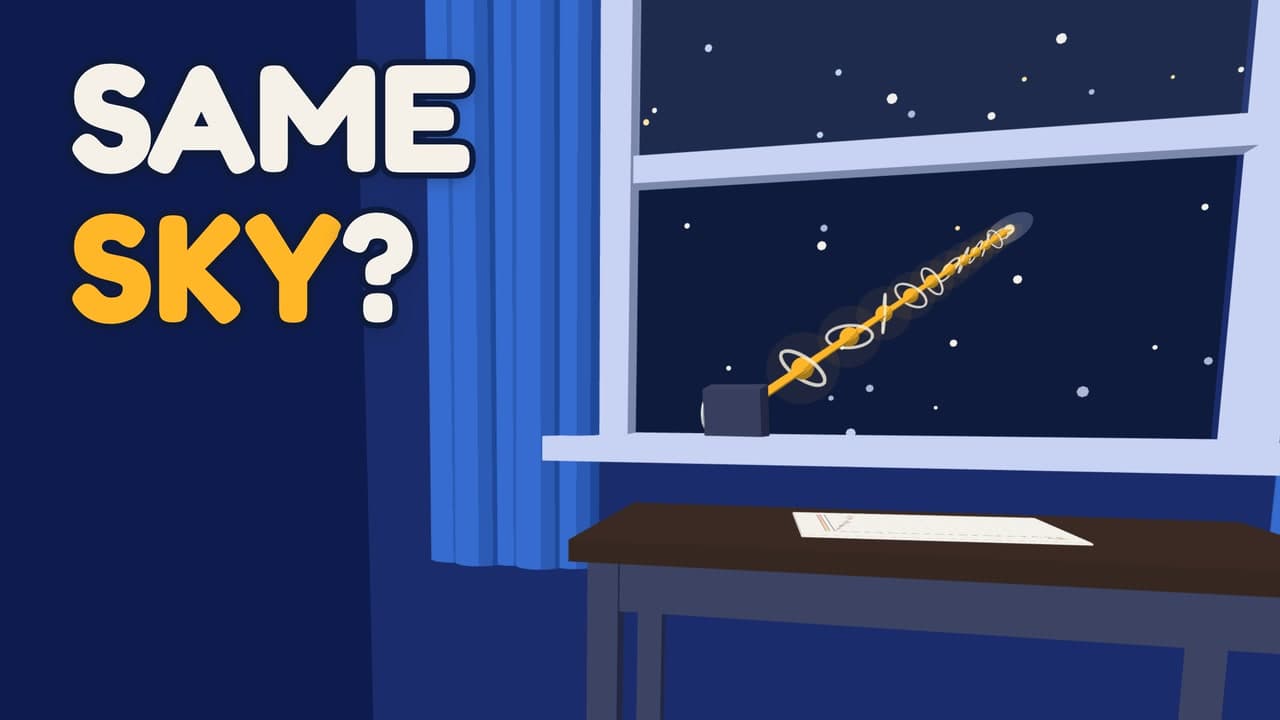
What if atoms are shrinking?
No measurement could tell a growing universe from shrinking atoms: rulers are made of atoms too, and gravity would weaken in step.
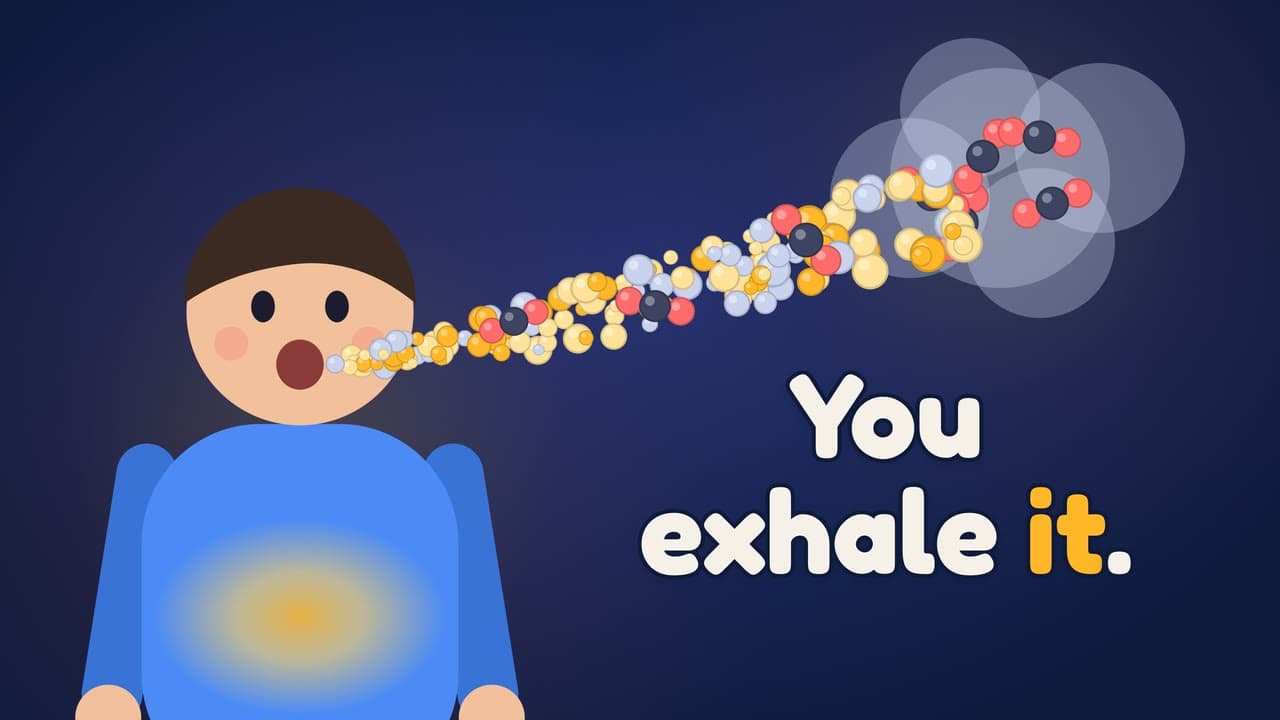
When you lose weight, where does the fat go?
Fat doesn't turn into energy. Of every 10 kg of fat you lose, about 8.4 kg leaves as carbon dioxide you breathe out and 1.6 kg as water.
From the blog
All posts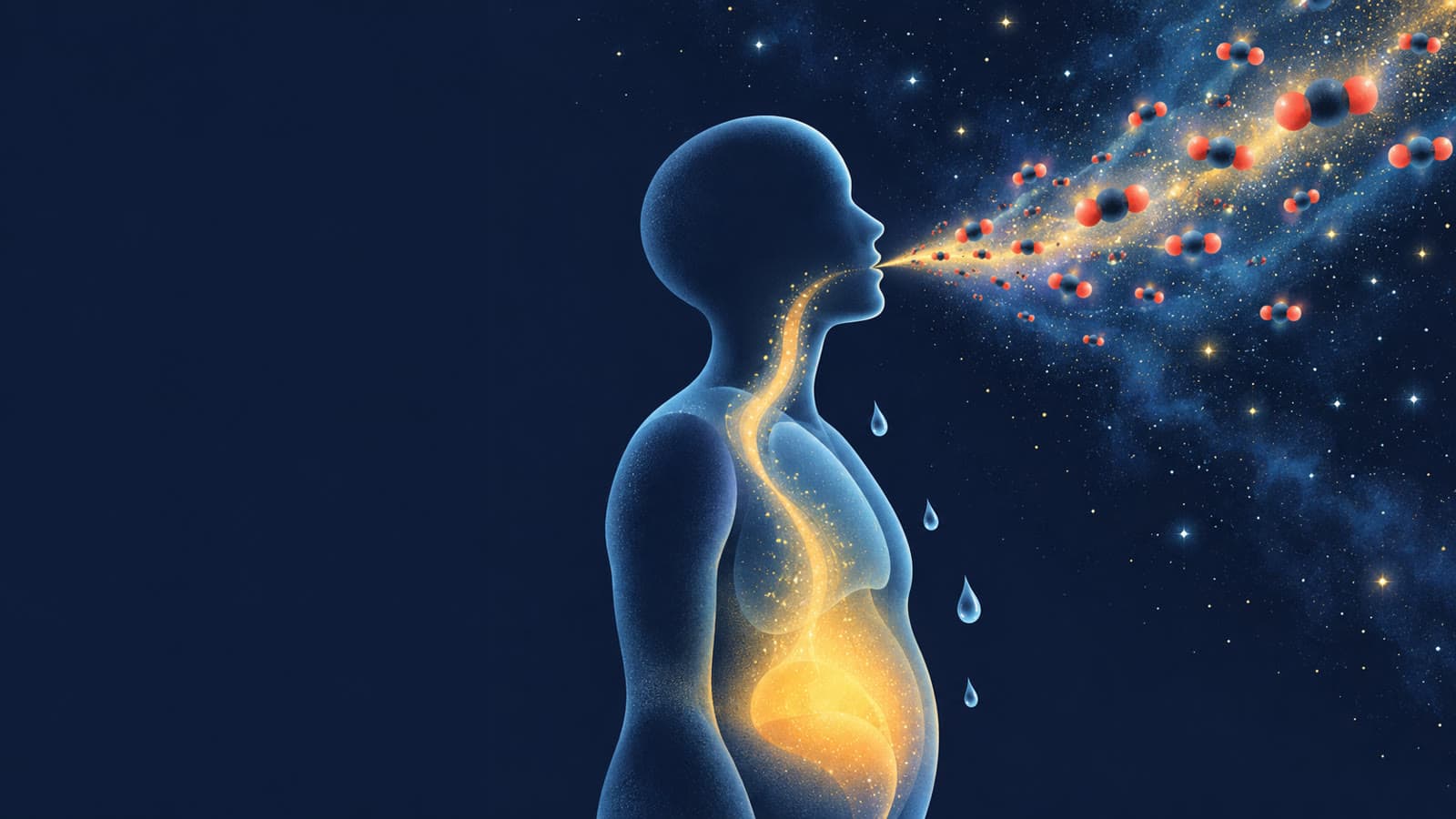
5 things that surprised us about where fat goes
To lose 10 kg of fat you breathe in 29 kg of oxygen, and your fat cells shrink instead of disappearing. Five sourced surprises.
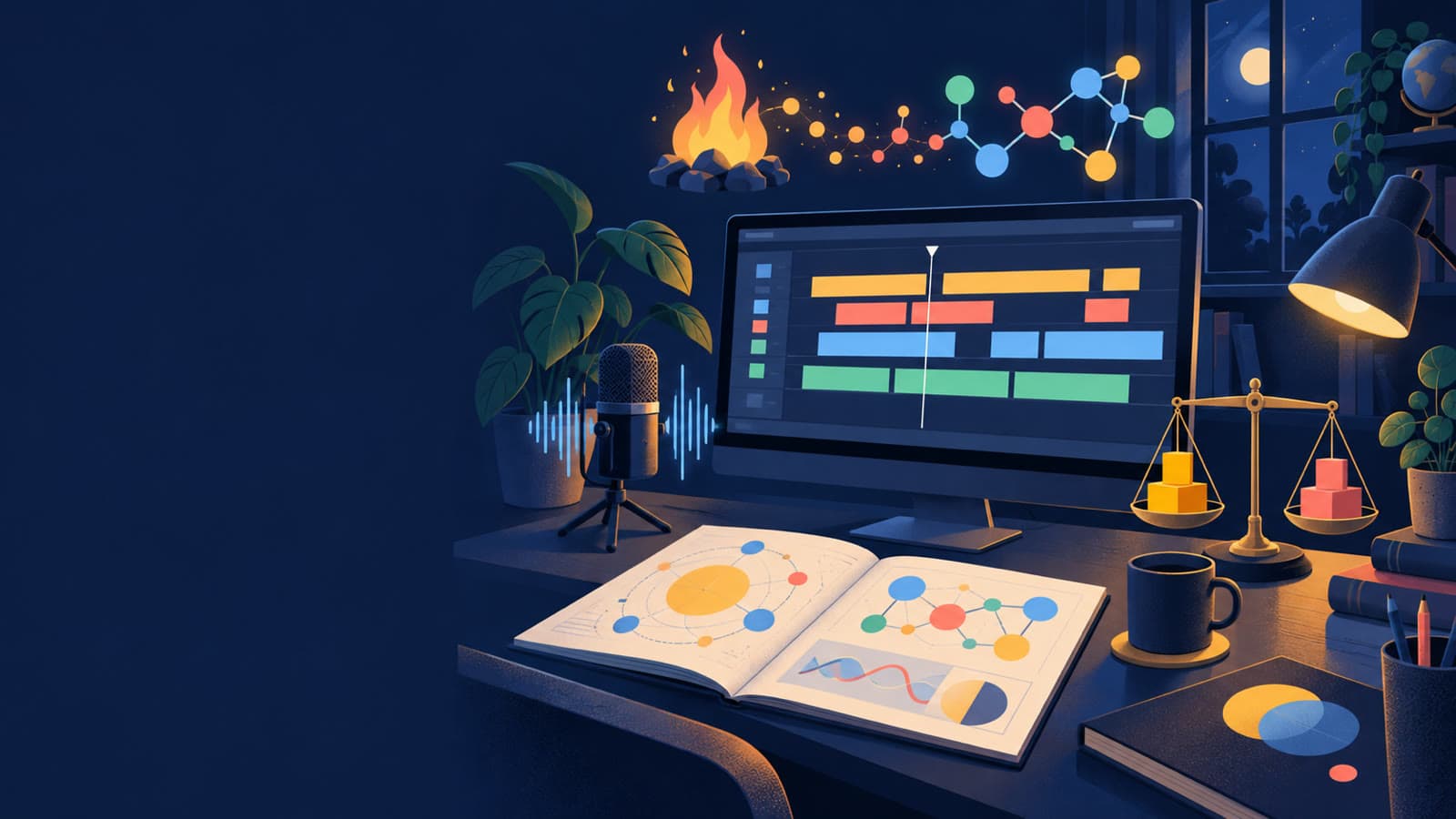
How we made "Where does the fat go?"
A campfire first, the chemistry second, every number checked against the paper, animation built in code, and the creator's own voice.
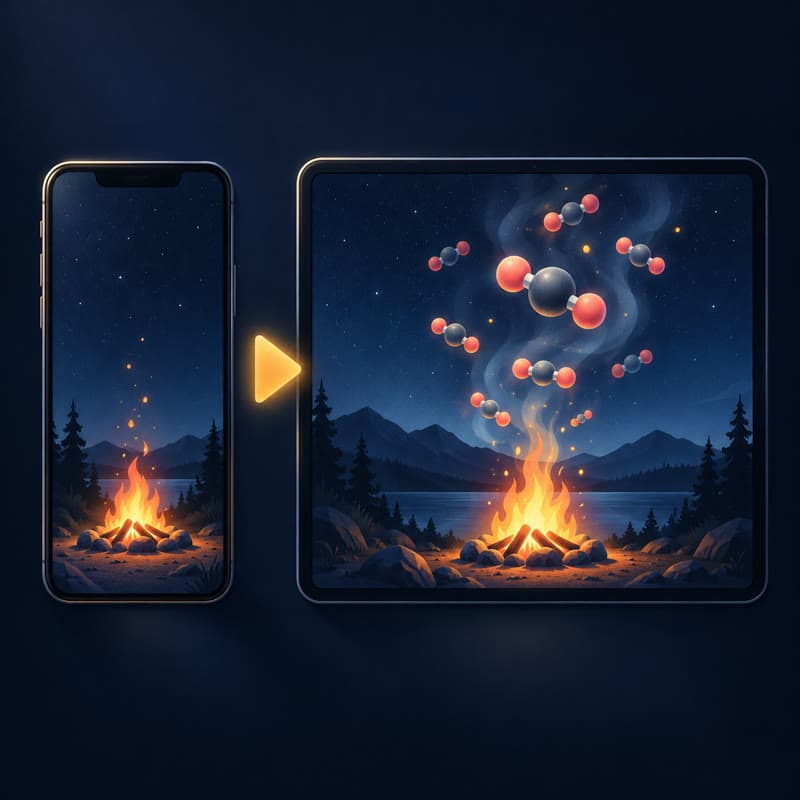
Watch
A short version for your feed, and a longer one with the real mechanism, the numbers and the sources.
Watch the episode
Learn it properly
Read the full article, try the interactive lab, then check what stuck with a quick quiz.
Read and practise
Listen
Every long episode as audio, with chapters and a transcript. It keeps playing while you browse.
Start listening
Illustrations made with AI (OpenAI)